I’ve been thinking a lot about validation lately.
Why does it feel so good when someone acknowledges us? Why do certain compliments mean more than others? And why is it that sometimes we don’t even realise how much we’ve needed to be seen until somebody finally sees us?
Over the past few days, I’ve experienced validation in different ways. And what surprised me wasn’t just how good it felt, but how differently each experience affected me.
It got me thinking about my life, my work, my appearance, my family and the years I’ve spent being a mother.
And somewhere in all that thinking, I realised something.
Not all validation feels the same.
When someone recognises your hard work
Recently, I received some lovely recognition at work.
I’ve spent many years working in community services, building relationships, developing my skills and trying to do right by the people I work alongside.
My reputation matters to me.
Not because I want to be important or better than anyone else, but because I genuinely care about being good at what I do.
I want people to trust me. I want my work to have meaning. I want to know that the time, energy and effort I put into something actually makes a difference.
So when a senior manager recently acknowledged my knowledge and experience, and shared how my work had informed conversations at a much higher level, I felt incredibly good.
I felt seen.
And here’s the interesting thing.
I already knew I was good at what I do.
That might sound a little confident, but why shouldn’t I be? I’ve worked hard to become the practitioner I am today.
I’ve spent years learning, making mistakes, reflecting, listening and improving.
I know what I bring to the table.
But having somebody else recognise that was different.
It was almost like someone saying, “I see what you’ve been doing, and it matters.”
It wasn’t that I needed someone to convince me I was capable.
It was that the work I’d invested so much of myself in was being recognised.
And I enjoyed that feeling.
When someone notices how you look
Then something else happened.
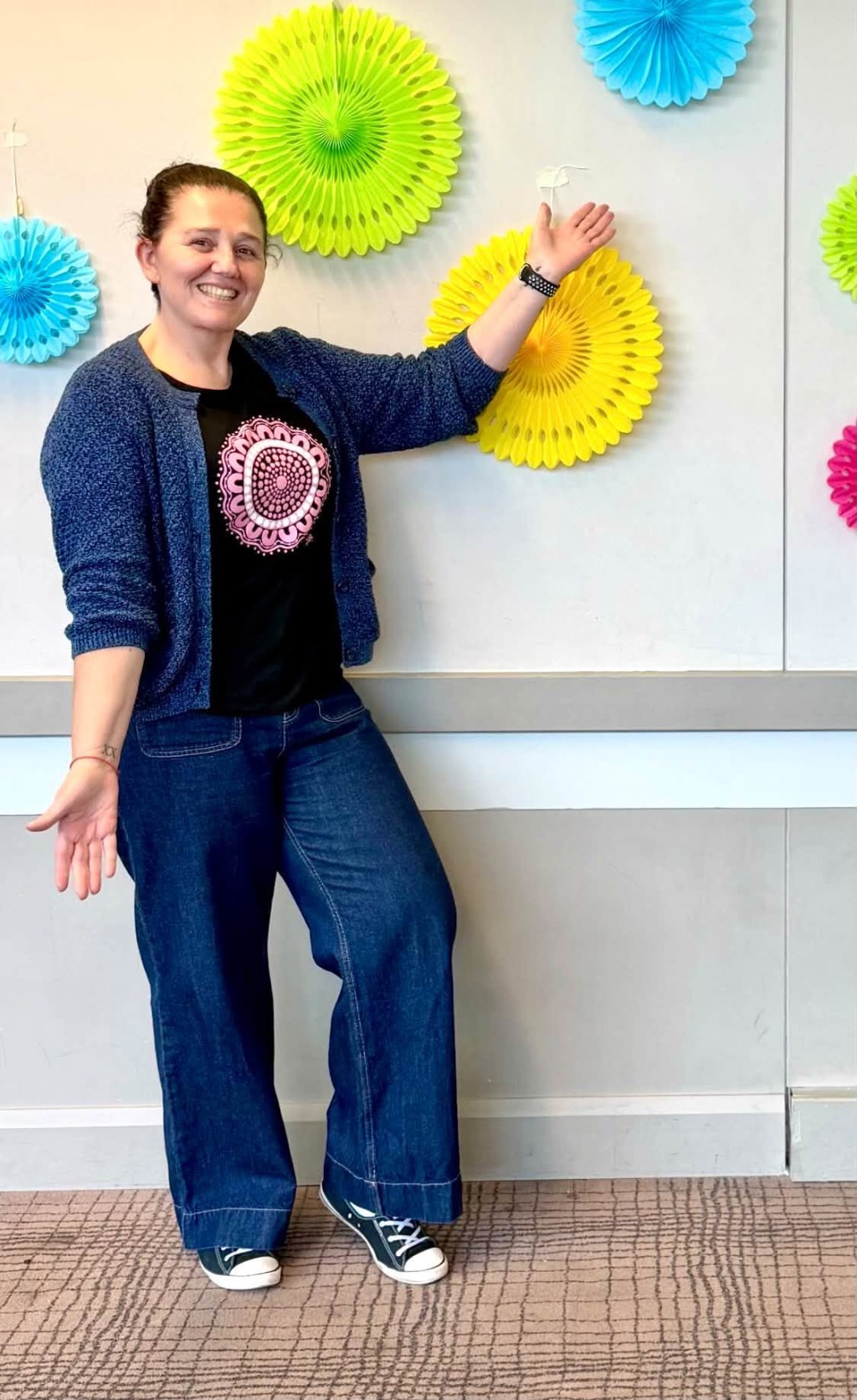
I attended an event and received quite a few compliments about my outfit and my appearance.
And yes, I enjoyed every one of them!
I had made an effort that morning. I’d thought about what I was wearing, how I wanted to look and how I wanted to present myself.
Before I even left the house, I knew I looked good.
And when people complimented me, I believed them.
I didn’t question whether they were just being polite. I didn’t feel the need to dismiss the compliments.
I accepted them.
I’ve been on a long journey with my appearance, my body and how I feel about myself.
I’ve made decisions and invested time, effort and money into achieving changes I wanted for myself.
I want to look good. I want to look better than I did before. I’m not ashamed to say that.
So when someone notices, of course it feels good.
But there’s a difference between needing someone to tell you that you look good and already feeling good about yourself before anyone says a word.
I think that’s where I am now.
The compliments didn’t create the confidence. They added to it.
And I think that’s worth acknowledging too.
We’re often encouraged to be humble, to brush off compliments or to pretend that looking good doesn’t matter to us.
But why?
Why can’t we enjoy the results of our own efforts?
Why can’t we say thank you and genuinely mean it?
But validation at home feels completely different
This is where my thoughts became a little more complicated.
Because while professional recognition makes me feel accomplished, and compliments about my appearance make me feel good, validation within my family brings out something entirely different.
Relief.
An enormous sense of relief.
There have been so many times over the years when I’ve said something, noticed something, raised a concern or tried to explain a situation, only to feel that nobody was really hearing me.
And then, sometimes months or even years later, somebody finally understands.
And I find myself thinking, “See! That’s what I’ve been trying to tell you!”
It’s not necessarily about wanting to be right.
It’s about finally not being the only person who sees what you’ve been seeing all along.
I’ve learnt that people can only hear or understand certain things when they’re ready to.
You can explain yourself until you’re blue in the face, but that doesn’t mean the other person is in a position to understand.
Sometimes they need to experience something themselves. Sometimes they need to mature. Sometimes they simply need time.
But knowing that doesn’t make it any less exhausting when you’re the person waiting to be understood.
And when that understanding finally comes, it can feel like a weight has been lifted.
Someone else finally sees what I’ve been carrying.
The kind of validation I’ve wanted as a mother
This is probably the hardest part for me to write.
I became a mother very young.
I raised three children, all of whom had their own needs and challenges, some of which we understood at the time and others that only became clear much later.
There were years of appointments, advocacy, difficult behaviours, emotional challenges, worry and uncertainty.
There were times when one child’s needs were so significant that the needs of another weren’t as obvious.
There were years when I was frightened, overwhelmed and exhausted.
And much of the emotional weight of those years was mine to manage.
I was young. I was still learning about life myself.
Yet I was expected to know how to navigate situations that even experienced adults would have struggled with.
I did what I thought was right.
I learnt as I went.
I made mistakes.
I kept going.
And when I look back on those years, I don’t necessarily feel proud of the journey.
That’s something I’ve only recently been able to put into words.
People often talk about difficult parenting experiences as though we’re supposed to look back and feel proud of how strong we were.
But that’s not how I feel.
I feel exhausted.
I remember how hard it was.
And I recognise that those years have affected me well into adulthood.
I sometimes wonder whether I’ve carried trauma from those experiences. I know that some of the fear, worry and emotional strain didn’t simply disappear when my children grew up.
And here’s the thing.
My children didn’t choose their additional needs. But I didn’t choose the difficulties that came with navigating them either.
We were all living through the same years, but experiencing them very differently.
I don’t blame my children for what those years were like.
I love them.
But I wish they understood what it was like for me.
Not because I want them to feel guilty.
Not because I want a medal for being their mother.
And not because I regret having them.
I just wish they could recognise that while I was busy trying to understand and support them, I was also a person going through something incredibly difficult.
A young woman who was frightened sometimes.
A woman who didn’t always know what to do.
A woman who needed support herself.
When the parenting years don’t really end
My children are adults now.
And I think somewhere along the way, I imagined that reaching this stage of life would bring a certain amount of freedom.
That the responsibilities would ease.
That I’d worry less.
That I’d finally have more emotional space for myself.
But the reality has been different.
There always seems to be something happening with one of my three adult children.
Something to worry about. Something to navigate. Something that requires emotional energy.
And while their lives are their own, being their mother means I still feel deeply connected to what they’re experiencing.
I know I cannot solve everything for them.
I know they’re adults.
I know I need boundaries.
But knowing these things and emotionally stepping away from the responsibility are two very different things.
I’m 50 now.
And sometimes I feel like I’ve spent so much of my life looking after everybody else’s needs that I’m only just beginning to properly consider my own.
I want to enjoy this stage of my life.
I want to travel, explore, write, learn and do things simply because they make me happy.
I want to have experiences that aren’t connected to being someone’s mother, someone’s support person or the person who fixes things.
And I don’t think wanting those things makes me selfish.
I think it makes me human.
Being needed isn’t the same as being appreciated
This thought has stayed with me.
For much of my adult life, I’ve been needed.
Needed to organise things.
Needed to remember things.
Needed to advocate, explain, support, remind, encourage and follow up.
And when you’ve been doing those things for years, they can become so normal that nobody really notices them anymore.
They’re just what Mum does.
But being needed isn’t necessarily the same as being appreciated.
And being appreciated isn’t always the same as being understood.
I think what I’ve wanted most from my children isn’t praise.
It’s understanding.
I want them to understand that their mother had a life happening alongside theirs.
That I experienced fear, sadness, exhaustion and uncertainty.
That I was affected by the things we went through as a family.
And that some of those experiences have stayed with me.
I wonder whether hearing that acknowledgement would change how I look back on my parenting journey.
It wouldn’t change what happened.
It wouldn’t give me those years back.
But perhaps it would make me feel that I hadn’t carried all of it alone, even if the understanding came much later.
Why didn’t I realise I needed validation?
This is the question that started all of this.
And I think I’m beginning to understand the answer.
Maybe when you spend so many years simply getting on with life, you don’t stop to consider whether your efforts are being recognised.
You do what needs to be done.
You become independent.
You learn to rely on yourself.
You stop expecting people to notice.
And eventually, you convince yourself that you don’t need validation.
Until somebody gives it to you.
And suddenly you realise how good it feels.
But I’ve also realised that validation isn’t always about wanting someone to tell us we’re good enough.
Sometimes we already know.
Sometimes we just want someone else to see what we see.
At work, validation tells me that my efforts are paying off.
With my appearance, validation tells me that the changes I’ve worked towards are noticeable.
At home, validation tells me that someone finally understands something I’ve been carrying.
Three different experiences.
Three different emotions.
Pride.
Satisfaction.
Relief.
And perhaps that’s why validation can be so powerful.
Because it isn’t always about approval.
Sometimes it’s about connection.
Sometimes it’s about acknowledgement.
And sometimes it’s about finally being understood.
What I’m learning at 50
I don’t want to spend the next chapter of my life waiting for people to recognise what I’ve done.
I want to continue building a life that feels good to me.
I want to be proud of my professional achievements.
I want to enjoy looking good.
I want to continue being a loving mother, but I also want to be a woman with her own identity, interests, dreams and limits.
And I want to acknowledge something that perhaps I haven’t given myself enough space to acknowledge before.
Some parts of my life have been incredibly hard.
I don’t have to turn every difficult experience into a beautiful lesson.
I don’t have to celebrate every challenge I’ve overcome.
And I don’t have to pretend that being strong all those years didn’t come at a cost.
I can simply acknowledge that I went through a lot.
And that I’m tired.
But I’m also still here, wanting to enjoy my life and make the most of the years ahead.
Maybe that’s what this stage of life is about for me.
Not becoming someone new, but making more room for the person I’ve always been, underneath all the responsibilities.
And maybe, just maybe, I’m finally allowing myself to enjoy being seen.
Because after spending so many years being needed, it feels really good to simply be noticed.



Leave a Reply