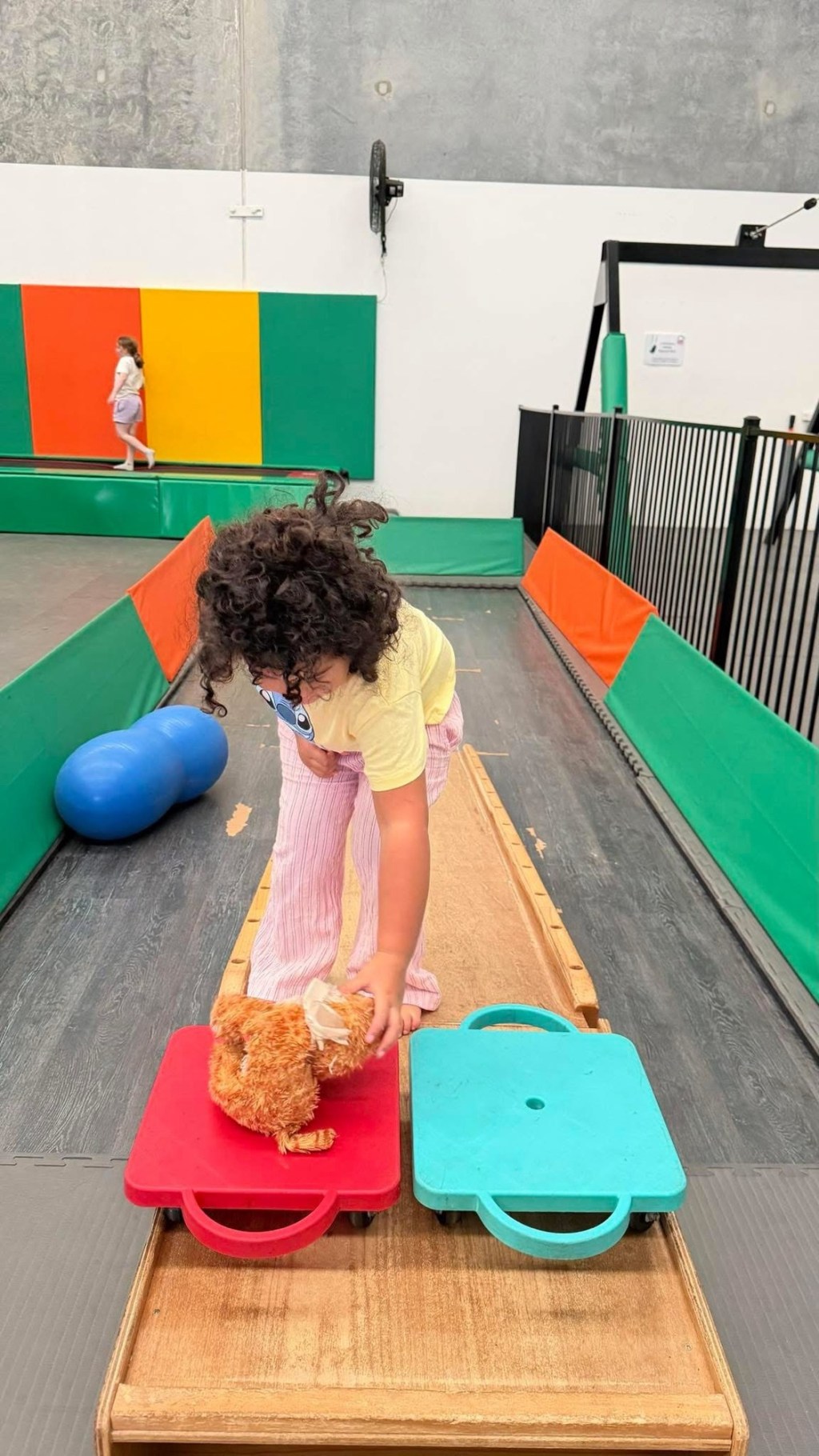
Many people don’t understand why my beautiful three-year-old granddaughter has knotty, tangled hair.
I see the looks.
I feel the judgement.
And I know the whispers are there.
So I want to share a little bit of the “why.”
For some people on the autism spectrum, everyday experiences that most of us don’t think twice about can feel overwhelming, intense… even painful.
Things like touch.
Smell.
Taste.
Sound.
And for my granddaughter—hair care.
What looks like “just brushing hair” to someone else can feel like torture to her.
Washing her hair is hard enough. Trying to wet it, run water through it, shampoo it, condition it… and then comb it?
It often ends in what sounds like absolute distress. The kind of crying that stops you in your tracks. The kind of dysregulation that doesn’t just pass in a few minutes—but can last for hours afterwards.
Now add another layer to that.
My grandchildren are Samoan, with some of the tightest, most beautiful curls you will ever see. Anyone who understands textured hair knows—it can take time, patience, and care. Even without sensory sensitivities, detangling can hurt.
So when you combine tight curls and a nervous system that experiences touch more intensely… it’s a lot.
Today, while I was washing my own hair, I found myself thinking about her.
Earlier in the day, I had been cutting knots out of her hair—doing what I could in the gentlest way possible. And standing there in the shower, something clicked for me.
An “a-ha” moment.
Somewhere along the way, I had forgotten about my own sensitivity when it comes to my scalp.
I have very thick hair, and I currently have half a head of dreadlocks—about 33 of them. I love them. One of the things I love most is that I don’t have to brush all of my hair or wash it constantly.
But maintenance?
That’s a different story.
Every few months, I sit with a loctician who uses a crochet hook to tidy them. And let me tell you—those tiny hairs near the scalp being pulled and tightened?
It feels like I am dying.
My whole body reacts. I become completely dysregulated. Every part of me wants to get up and leave.
And that’s me. A grown woman who understands what’s happening, who can rationalise it, who can choose to stay.
So what must it feel like for a three-year-old who doesn’t yet have the words to explain it?
After my shower, I shared this realisation with Eli. He wasn’t surprised at all. He reminded me how my daughter—and all four of her children—have always struggled with having their hair brushed, or even with the sensation of water during showers.
It made me think of my eldest grandson.
He had the most beautiful curls I have ever seen. Truly stunning. But when he started school, we cut his hair. It’s been four years now, and he still says he never wants his long hair back.
That says a lot.
My granddaughter already navigates so much in her little world—speech delays, developmental challenges, and trying to make sense of everything around her.
So when it comes to her hair, we choose our battles.
We don’t force it every time. Because forcing it doesn’t just mean “getting through it.” It can mean hours of distress afterwards.
But leaving it too long means it becomes matted. Tangled. “Untidy” in the eyes of the world.
And that’s where the judgement comes in.
Not everyone understands.
And I get that. If you’ve never experienced sensory sensitivities, or loved someone who has, it’s hard to imagine that something like brushing hair could feel like pain.
But it can.
So this is just a gentle reminder.
Before judging a child.
Before questioning a parent.
Before making assumptions about what you see—
There is often so much more going on beneath the surface.
We’re not ignoring it—we’re navigating it the best way we know how.
Because not everything that looks neglected is neglect… sometimes it’s love choosing gentleness over force.
Be kind , Patty x
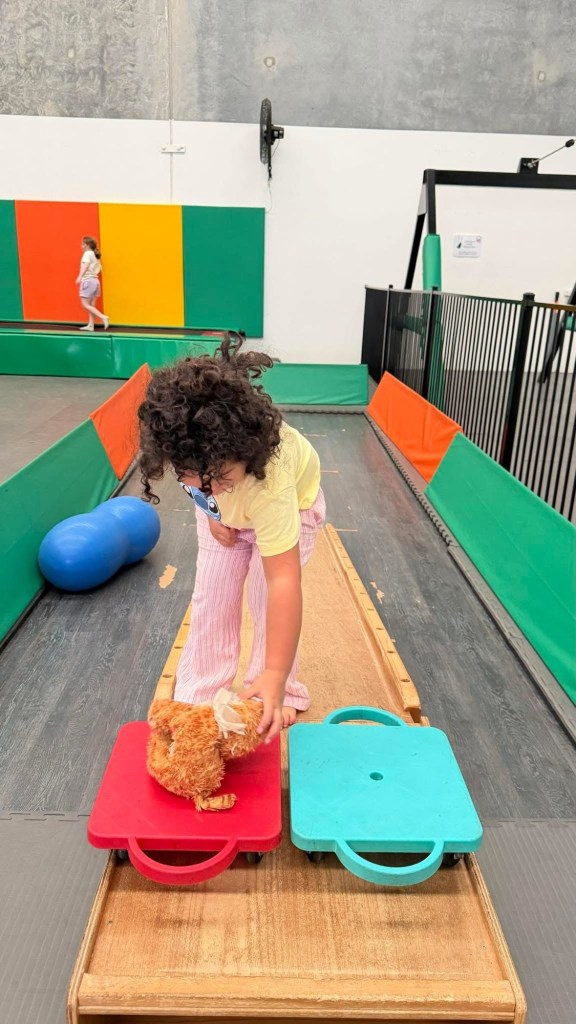

 The Patty project
Leave a comment