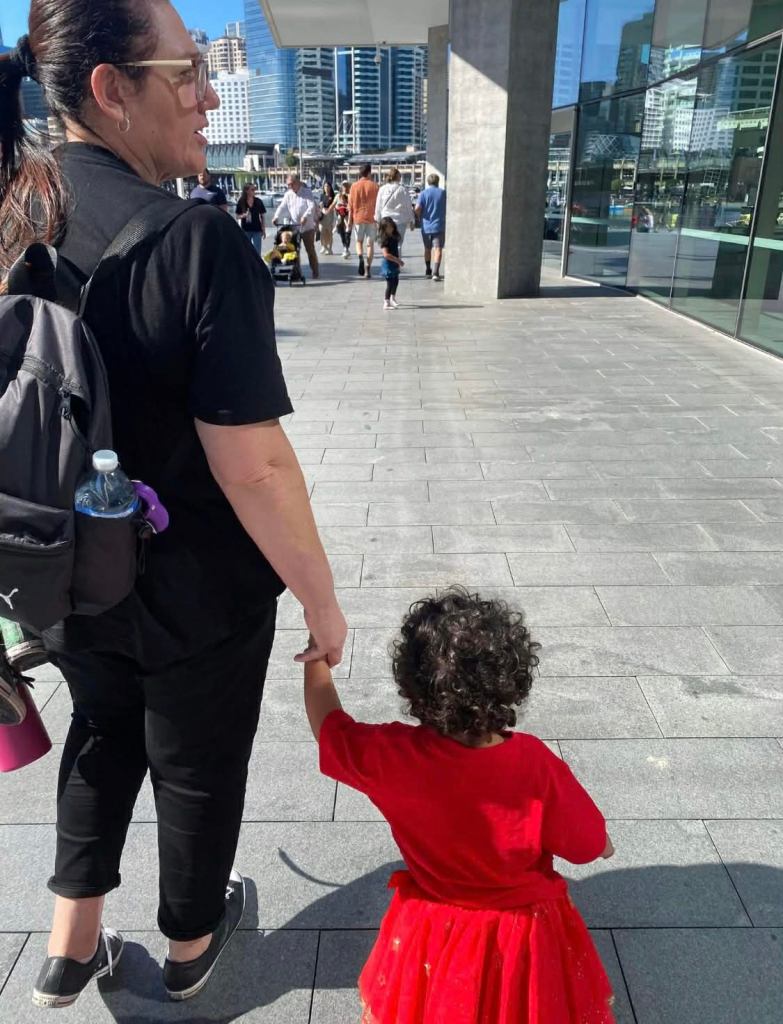
Today I was chatting with a few parents about my granddaughter’s recent ASD diagnosis, and I found myself saying over and over again, “It just isn’t fair.”
I shared that in my family, we’re now heading into the fourth generation of neurodivergence. We have a long history of mental illness, and honestly, if ADHD or autism had been recognised 70+ years ago, I’m certain many of my aunts and uncles would have been diagnosed with ADHD, ASD, ODD, dyslexia — something. They struggled with so many aspects of life, and back then there was barely any information, support, or awareness. Some turned to substances, some were institutionalised, and heartbreakingly, some even took their own lives.
Growing up, my own life wasn’t easy either. I now know that so many of the challenges I faced were because of ADHD. Relationships were harder, my education was cut short, and I constantly struggled with sitting still, focusing, reading cues, and keeping quiet.
Then there’s my own children, who have a mix of diagnoses between them. Parenting kids with additional needs wasn’t easy — far from it.
So when I said, “It’s not fair that my three‑year‑old granddaughter is autistic,” it wasn’t coming from a place of judgment. It came from the part of me that knows what the challenges feel like — the overwhelm, the emotional exhaustion, the constant advocating — and from the part of me that recognises the beginning of that grief process. Not because she’s autistic, but because I know how hard the world can be on people whose brains work differently.
Having raised autistic children into adulthood, I’ve lived through their social, emotional, and academic struggles. When they were small, I could buffer everything for them — I could wrap them in my arms, protect them from overwhelming smells, sounds, textures, and people. I could organise play dates, dress them, guide them, soften the world for them.
But as they got older and their peers began to notice their differences, everything shifted. Their social lives changed. They started feeling isolated, different, not quite fitting with their neurotypical peers. And as a parent, watching that — and not always being able to step in and navigate it for them — was incredibly hard.
So when I say “It’s not fair,” here’s what I mean:
It’s not fair that my granddaughter may need years of therapies just to keep up with her peers.
It’s not fair that she can’t communicate effectively yet.
It’s not fair that everyday sounds, textures, and sensory experiences overwhelm her while other children her age seem unaffected.
It’s not fair that her parents will have to juggle multiple therapies and interventions while raising three other children, trying their best to give each of them equal time, care, and attention — something I know from lived experience is incredibly difficult.
I grieve. I worry. I hold all the “what‑ifs.”
Because I know what carer burnout feels like.
I know how deeply you can love your child and still feel scared for them in a world that still doesn’t fully understand autism.
I also know that I will be one of her biggest advocates and supporters. But I’m also tired. And if I’m honest, I would have loved for autism — and everything else neuro‑spicy — to have skipped this generation of my grandchildren. Not because I wish she were different, but because I wish the world were easier for who she already is.
 The Patty project
Leave a comment