I run groups; this is what I do as my day job.
I do this well.
The groups I run are innovative, unique and well-attended because they are needed.
As a community worker, I possess strong insight and am skilled in connecting with diverse communities.
Working effectively in cross-cultural settings is one of my greatest strengths.
My groups have a strong focus on community strengthening – I plan and deliver activities that build cohesion, inclusion and well-being across communities in Western Sydney.
Just a few months ago I started running a group for parents of children with a disability aged 5 years and under. As the parent of an autistic child, I remember the isolation and confusion felt as a young mother of a child with additional needs.
I had (limited) family support but my networks were small and the NDIS (National Disability Insurance Scheme) was not available all those years ago.
This group is slowly growing; we now have 4-6 consistent families attending. Most return each week and some attend every second week due to therapy and specialist appointments.
One of the mums recently brought to my attention that this particular group is quite Anglo- Australian and she was genuinely interested in wanting to learn why this may be.
Over the years I have learnt that some people from migrant, non-English backgrounds may not attend community activities and groups because of language barriers, cultural differences, discrimination, lack of information or lack of access to information.
I possess an intense enthusiasm to gain knowledge directly from individuals, and among my most influential mentors are a handful of Samoan women who have graciously allowed me to learn about their community and its requirements firsthand.
Whilst I have spent a lot of time with Pacific communities I have also had extensive experience working with various communities which includes those from the Middle East and Southeast Asia. At present, I am collaborating with the Indian community and gaining valuable insights from them too.
I do consider myself a bit of an expert when it comes to working cross-culturally amongst culturally and linguistically diverse (CALD) cultures and I love it!
Most recently I have had a few conversations with parents of children from CALD backgrounds and one that stuck out was a conversation had with a Pacific Islander family who have recently come to learn that their toddler is autistic.
Dad is not taking the news of the diagnosis well; he has told Mum that the doctors are wrong. Dad is overwhelmed and anxious about his child’s diagnosis and rightfully so he’s freaking out because of the unknown.
Mum has shared that her husband has considered that they as a family will no longer take their young autistic child out of the house so that no one stares at them or asks questions.
Dad has also contemplated relocating the entire family to Samoa, as he believes that life would be more manageable for his child with autism on the island.
I had an opportunity to meet with Dad and we had a good chat; it helped the conversation to flow better when I let him know that my husband is Samoan and we have an autistic child. I also shared that I had visited Samoa multiple times and had lived there for four months.
We talk about what it feels like to receive the news that our child is autistic; he shares that he’d never heard about autism before the diagnosis and that he was and is still in shock months later.
I share that grief and loss are natural emotional responses that a parent may experience upon receiving the news that their child has a disability. This Dad like many others was overwhelmed, shocked, initially in denial and shortly after felt anger and sadness.
Dad, like Mum, is struggling to come to terms with the diagnosis because they have no idea how their child’s life will be impacted, how their other children’s lives will be impacted and overall how the family unit will be impacted.
We touched on the sense of loss; loss related to hopes and dreams they had for the ‘normal’ life they imagined for their family and both share they are feeling a sense of isolation because they feel that they are the only ones going through this experience.
I validate their feelings and encourage them to allow time to process their emotions. Dad tells me that he knows moving to Samoa is not the right thing to do and jokingly says something I’ve heard repeatedly from other Samoan parents – their child could potentially be at the receiving end of beatings due to their inability to communicate and sporadic behaviours that would more than likely not be understood or tolerated.
From this conversation, it is apparent that both parents love and care for their child unconditionally. Both parents raise valid concerns about the potential mistreatment and judgement towards their toddler due to a lack of awareness and understanding about disabilities within the extended family. There is frustration at the common belief amongst Samoans that children with challenging behaviours are simply naughty or disrespectful and deserve physical punishment.
Dad hits the nail on the head when he looks at me with concern and wholehearted belief whilst sharing that it may be challenging for others to identify their child’s autism because he looks so ‘normal’.
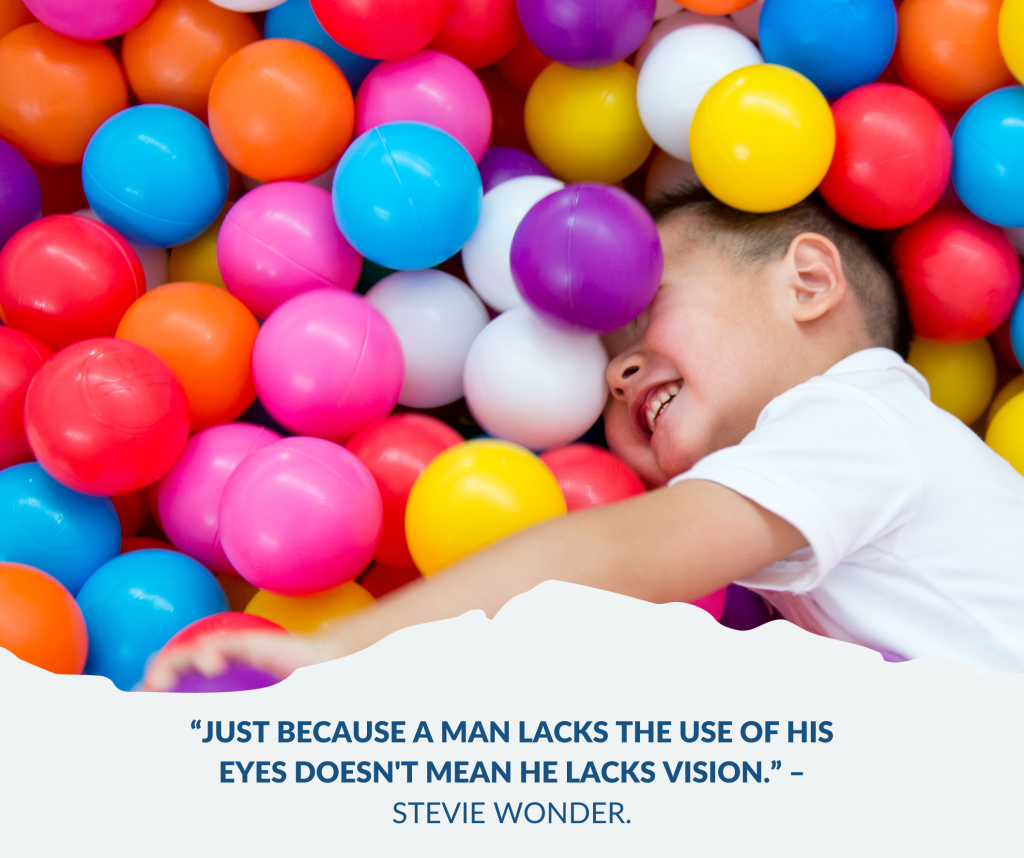
We unpacked a lot during our short conversation; Mum was listening whilst supervising her child in the ball pit and I could see her slightly nodding her head in agreement with both of us at different times.
When Dad first approached us he was pacing and visibly uncomfortable. Twenty minutes later he had ceased the fidgeting, I could see the tension in his face soften and his energy shifted from what felt like uncertainty to defensiveness and then a more peaceful and calm state.
Dad thanked me for taking the time to talk and share with him; Mum smiled at me and nodded her head. I reminded them that they are only as alone as they choose to be and that groups like this one whilst looking like they are for the children are actually implemented for parents to connect and build a ‘community’ within their community.
I am uncertain about the chance of seeing them again, but I find comfort in knowing that our time together may have resulted in some beneficial outcomes.
 The Patty project
Leave a comment